Experiences of Patients Living with HIV Transitioning from Oral HAART to Long-Acting Injectable MedicationThis mixed-methods study examines how patient preferences, lived experiences, and psychosocial factors influence decisions to initiate or decline long-acting injectable (LAI) HIV therapy and how these choices affect quality of life beyond viral suppression.Health Information Inequity in South Jersey-Vineland/ Rutgers University-CamdenThis study examines how governance and funding constraints influence the equitable delivery of public health services, specifically regarding diabetes and maternal mortality initiatives. By interviewing healthcare professionals and community members, the project aims to identify barriers to healthcare access and evaluate the communication gap between practitioners and the populations they serve.Climate Strain on Healthcare Access: A Multi-County Assessment of Healthcare Infrastructure Vulnerability in South JerseyThis project examines how climate-driven flooding and infrastructure disruption affect healthcare access in Cape May, Cumberland, and Salem Counties in southern New Jersey.Arts Prescription in a South Jersey Pain Management Clinic: Pilot Study and Impact AssessmentThis study evaluates the feasibility and impact of integrating an arts prescribing program into pain management practices to improve the mental well-being and social connectivity of patients with chronic pain. By identifying implementation barriers and facilitators, the research seeks to determine if community-based arts programming serves as an effective, holistic support system for improving overall quality of life.Community Healing-Centered Wellness: A Holistic Approach to Restoring the VillageThis project utilizes a community-based participatory approach to evaluate the Thrive Family Café model, an intergenerational wellness intervention in Bridgeton, New Jersey, designed to reduce mental health stigma and strengthen social connectedness through healing-centered dialogue and mindfulness.Listening to the Water: Indigenous Cultural Relationships, Access and Well-BeingThis community-engaged project centers Indigenous knowledge systems to explore the cultural, spiritual, and physical relationships between South Jersey's Indigenous communities and water. By facilitating tribal listening sessions, the study aims to build a qualitative evidence base that informs future culturally grounded policies and programs regarding water access, safety, and holistic well-being.A Research Investigation to Examine the Factors Impacting Colorectal Screening Rates for Communities of Color in Three Rural Counties in Southern New JerseyThere are more than 20 million Americans eligible for colorectal screenings who have not been screened. The American Cancer Society estimates that colorectal cancers (CRC) will result in the death of 52,550 people in 2023. The incidence of colorectal cancer is highest among Black men & women, and the difference in mortality rate is larger. […]Creating a Culture of Wellness for Bancroft Organization: Supporting Wellness in Group Homes through Policy, Systems and Environmental ChangesPeople with disabilities have higher rates of obesity, diabetes, anxiety and cardiovascular risks. These can be reduced by healthier eating, stress management and physical activity. Group home residents need support in each of these areas. We have successfully created, implemented and evaluated nutrition, stress reduction/socialization and activity interventions among adults with disabilities. We learned that […]Exploring the Mediating Role of Social Determinants of Health in Arterial Stiffness and Sleep Quality among Low-Income Hispanic AdultsHeart disease is the second leading cause of mortality among Hispanics in the United States, with alarming disparities observed in specific communities. In Cumberland County, New Jersey, where Hispanics represent 33% of the population, making them the second-largest ethnic group, the mortality rate due to coronary heart disease surpasses the state average significantly (174.2 vs. […]Supporting Effective, Community-Informed Food Security Screening Protocols in NJ Health centersHousehold food insecurity (FI) presents unique challenges for low-income parents and other guardians of children (hereafter, parental caregivers). Recent years have seen increased attention to the role that hospitals, including federally qualified health centers (FQHCs), can play in screening for FI, as well as connecting families to food security-related resources. However, low-income parental caregivers may […]
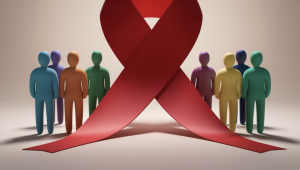 This mixed-methods study examines how patient preferences, lived experiences, and psychosocial factors influence decisions to initiate or decline long-acting injectable (LAI) HIV therapy and how these choices affect quality of life beyond viral suppression.
 This study examines how governance and funding constraints influence the equitable delivery of public health services, specifically regarding diabetes and maternal mortality initiatives. By interviewing healthcare professionals and community members, the project aims to identify barriers to healthcare access and evaluate the communication gap between practitioners and the populations they serve.
 This project examines how climate-driven flooding and infrastructure disruption affect healthcare access in Cape May, Cumberland, and Salem Counties in southern New Jersey.
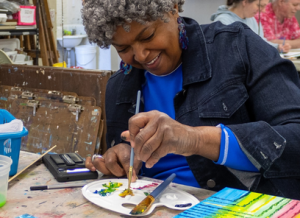 This study evaluates the feasibility and impact of integrating an arts prescribing program into pain management practices to improve the mental well-being and social connectivity of patients with chronic pain. By identifying implementation barriers and facilitators, the research seeks to determine if community-based arts programming serves as an effective, holistic support system for improving overall quality of life.
 This project utilizes a community-based participatory approach to evaluate the Thrive Family Café model, an intergenerational wellness intervention in Bridgeton, New Jersey, designed to reduce mental health stigma and strengthen social connectedness through healing-centered dialogue and mindfulness.
 This community-engaged project centers Indigenous knowledge systems to explore the cultural, spiritual, and physical relationships between South Jersey's Indigenous communities and water. By facilitating tribal listening sessions, the study aims to build a qualitative evidence base that informs future culturally grounded policies and programs regarding water access, safety, and holistic well-being.
 There are more than 20 million Americans eligible for colorectal screenings who have not been screened. The American Cancer Society estimates that colorectal cancers (CRC) will result in the death of 52,550 people in 2023. The incidence of colorectal cancer is highest among Black men & women, and the difference in mortality rate is larger. […]
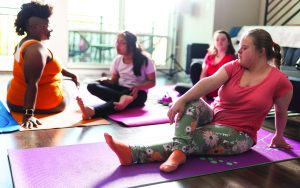 People with disabilities have higher rates of obesity, diabetes, anxiety and cardiovascular risks. These can be reduced by healthier eating, stress management and physical activity. Group home residents need support in each of these areas. We have successfully created, implemented and evaluated nutrition, stress reduction/socialization and activity interventions among adults with disabilities. We learned that […]
 Heart disease is the second leading cause of mortality among Hispanics in the United States, with alarming disparities observed in specific communities. In Cumberland County, New Jersey, where Hispanics represent 33% of the population, making them the second-largest ethnic group, the mortality rate due to coronary heart disease surpasses the state average significantly (174.2 vs. […]
 Household food insecurity (FI) presents unique challenges for low-income parents and other guardians of children (hereafter, parental caregivers). Recent years have seen increased attention to the role that hospitals, including federally qualified health centers (FQHCs), can play in screening for FI, as well as connecting families to food security-related resources. However, low-income parental caregivers may […]